The Discovery
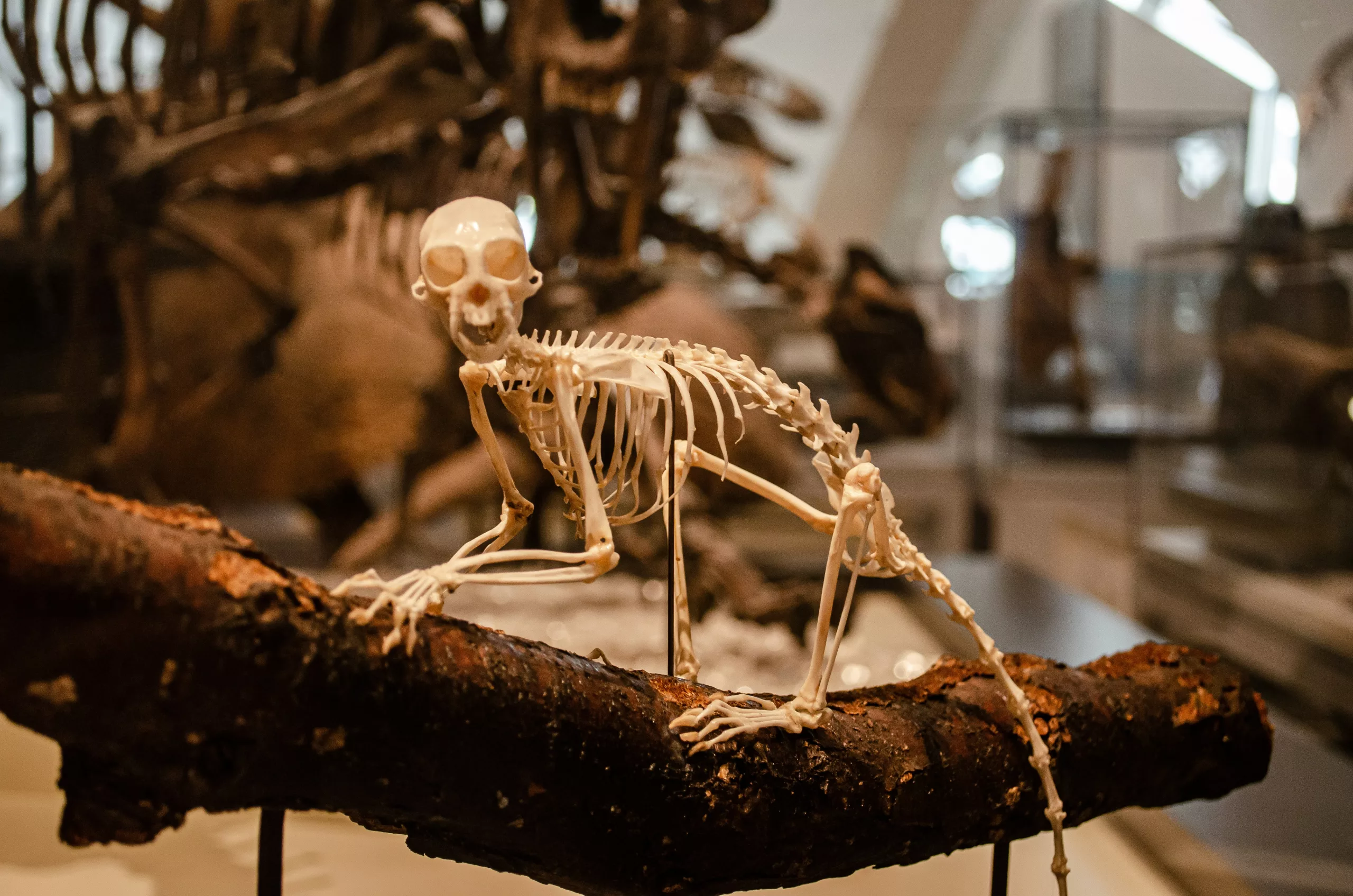
More than two decades ago, a 2004 expedition to the eastern Gobi Desert in Mongolia uncovered a remarkably complete fossil of a tiny prehistoric creature. The newly identified species, named Tamirkhan balcarceli, lived during the Cretaceous Period when dinosaurs dominated the planet. Measuring roughly 15 to 18 centimeters from head to tail, this small mammal remained under study for years before being formally described in Nature in July 2026.
What Scientists Found
For decades, researchers knew a group of Cretaceous mammals called zhelestids mainly from isolated teeth and jaw fragments. Because their rounded teeth resembled those of modern hoofed mammals and other placental mammals, scientists assumed they were early placental relatives. However, the specimen from the Gobi Desert preserved key body parts, including portions of the skull and hind limb, giving scientists a clearer picture of the animal.
The newly analyzed fossil displayed a unique combination of physical traits:
- Long hind legs
- Ever-growing incisors
- Distinctive ankle anatomy
These features led researchers to conclude that zhelestids were not early placental mammals, but instead belonged to a different group known as zalambdalestoids. Further background on the discovery team is not specified in the source; please check the official notice.
Why It Matters
This study demonstrates how relying on partial fossils can lead to incorrect conclusions. The similarity between the teeth of zhelestids and early placental mammals was actually the result of convergent evolution, where unrelated creatures evolve similar features because they adapt to similar environments or diets. In a region famous for dinosaur discoveries, this tiny mammal has rewritten an important chapter in early mammalian evolution.
Source: dinosaur fossil discovery - BingNews · Published October 03, 2026 · Image via dinosaur fossil discovery - BingNews